Introduction to Saliva and Its Significance
Saliva is often overlooked, yet it plays a crucial role in oral health and digestion. Recent research by a team at the University at Buffalo (UB) has unveiled the evolutionary story of saliva, tracing its origins back to primates. This groundbreaking study connects dietary habits to the composition of salivary proteins, highlighting the importance of saliva not just in digestion but also in understanding personalized oral health diagnostics.
The Evolutionary Journey of Saliva
Understanding the evolutionary journey of saliva provides valuable insights into how this vital fluid has adapted over time. The UB team's research indicates that the evolution of salivary proteins is closely linked to the dietary preferences of primates. By examining the genetic and biochemical changes that have occurred throughout primate evolution, researchers have been able to identify how different diets have influenced saliva's composition.
Salivary Proteins and Their Functions
Salivary proteins serve multiple functions, playing a key role in digestion and oral health. These proteins are crucial for breaking down food, protecting against pathogens, and maintaining the oral microbiome. The UB team's findings suggest that variations in salivary protein profiles correlate with dietary habits, emphasizing the adaptability of these proteins in response to environmental changes.
- Digestive Enzymes: Certain salivary proteins act as enzymes that initiate the digestion of carbohydrates, facilitating the breakdown of food right in the mouth.
- Antimicrobial Properties: Saliva contains proteins that help combat harmful bacteria and viruses, thereby protecting the oral cavity from infections.
- pH Regulation: Salivary proteins also play a role in maintaining the pH balance in the mouth, which is essential for preventing tooth decay and promoting oral health.
The Link Between Diet and Saliva
The UB study highlights a significant correlation between diet and the evolution of salivary proteins among primates. Different species have adapted their saliva composition based on their specific diets, whether they are herbivorous, carnivorous, or omnivorous. This adaptability underscores the importance of saliva as a dynamic fluid that responds to the nutritional needs of the organism.
- Herbivorous Diets: Primates that primarily consume plant-based diets tend to have higher concentrations of certain enzymes in their saliva, aiding in the breakdown of fibrous materials.
- Carnivorous Diets: Those that eat meat may exhibit different salivary protein profiles, which help in the digestion of proteins and fats.
- Omnivorous Diets: Omnivorous primates display a mix of both types of proteins, reflecting their varied dietary intake.
Implications for Oral Health Diagnostics
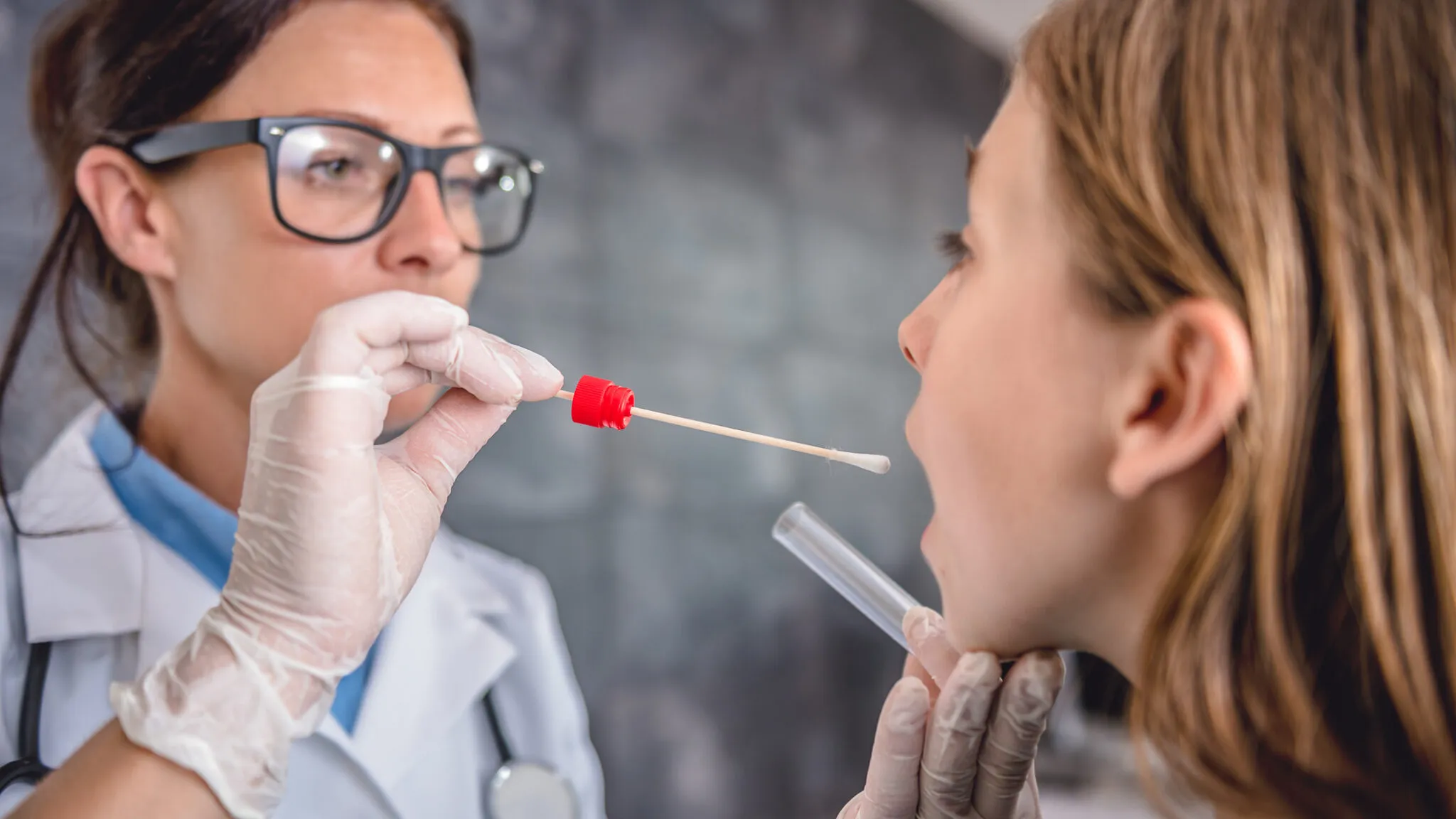
The findings from the UB research team not only shed light on the evolutionary aspects of saliva but also open new avenues for personalized oral health diagnostics. By understanding the relationship between salivary proteins and dietary habits, dental professionals can potentially develop diagnostic tools that analyze saliva to assess oral health and predict disease risk.
Personalized Diagnostics and Future Research
With advancements in technology, the analysis of salivary proteins can lead to more personalized approaches in dental care. This could include tailored preventive measures based on an individual’s saliva composition, allowing for proactive management of oral health.
- Salivary Biomarkers: Identifying specific biomarkers in saliva may help in early detection of oral diseases, including cavities and gum disease.
- Tailored Treatments: Understanding an individual's unique salivary profile can inform customized treatment plans, enhancing the effectiveness of dental care.
- Broader Health Insights: Saliva analysis could also provide insights into systemic health issues, given its connection to overall wellness.
Conclusion
The research conducted by the UB team emphasizes the significance of saliva in both evolutionary biology and oral health. By tracing the evolutionary story of saliva back to primates and linking it to dietary habits, this study not only enhances our understanding of salivary proteins but also highlights the potential for personalized oral health diagnostics. As research continues, the insights gained from saliva may revolutionize how we approach dental care and overall health.