Understanding the Connection Between Tooth Loss and Mortality
Recent research published in BMC Geriatrics highlights a concerning trend among older adults: the faster individuals lose their teeth, the higher their risk of mortality. This study sheds light on the complex relationship between oral health and overall health, emphasizing the importance of maintaining good dental hygiene as one ages. As we delve deeper into this topic, we will explore the implications of tooth loss, its potential causes, and the broader health risks associated with it.
The Study's Findings
The study, conducted on a large cohort of older adults, revealed a striking correlation between the rate of tooth loss and increased mortality risk. Researchers found that participants who experienced rapid tooth loss were significantly more likely to face health complications that could lead to death. This finding suggests that oral health is not just about maintaining a beautiful smile; it is also a critical component of overall well-being in older age.
Factors Contributing to Tooth Loss in Older Adults
Tooth loss in older adults can be attributed to various factors. Understanding these can help in formulating strategies to mitigate the risk of losing teeth:
- Poor Oral Hygiene: Inadequate dental care can lead to gum disease and tooth decay, both of which are significant contributors to tooth loss.
- Chronic Health Conditions: Diseases such as diabetes, heart disease, and osteoporosis can affect oral health, leading to tooth loss.
- Medications: Certain medications can cause dry mouth or other side effects that may increase the risk of dental problems.
- Nutrition: A diet lacking in essential nutrients can weaken teeth and gums, making them more susceptible to decay and loss.
By addressing these factors, older adults can take proactive steps to preserve their teeth and enhance their overall health.
The Health Risks Associated with Tooth Loss
The repercussions of tooth loss extend beyond the mouth. Research indicates that losing teeth can lead to a cascade of health issues. For instance:
- Nutritional Deficiencies: Missing teeth can make it difficult to chew certain foods, leading to a less nutritious diet. This can result in deficiencies that affect overall health.
- Social Isolation: Tooth loss can impact self-esteem and lead to social withdrawal, which is particularly concerning for older adults who may already be facing loneliness.
- Increased Risk of Chronic Diseases: There is a growing body of evidence linking poor oral health with conditions such as cardiovascular disease and diabetes, which can be exacerbated by tooth loss.
These health risks highlight the necessity of maintaining oral health as a fundamental aspect of aging well.
Preventive Measures for Maintaining Oral Health
Fortunately, there are several effective strategies that older adults can adopt to prevent tooth loss and preserve oral health:
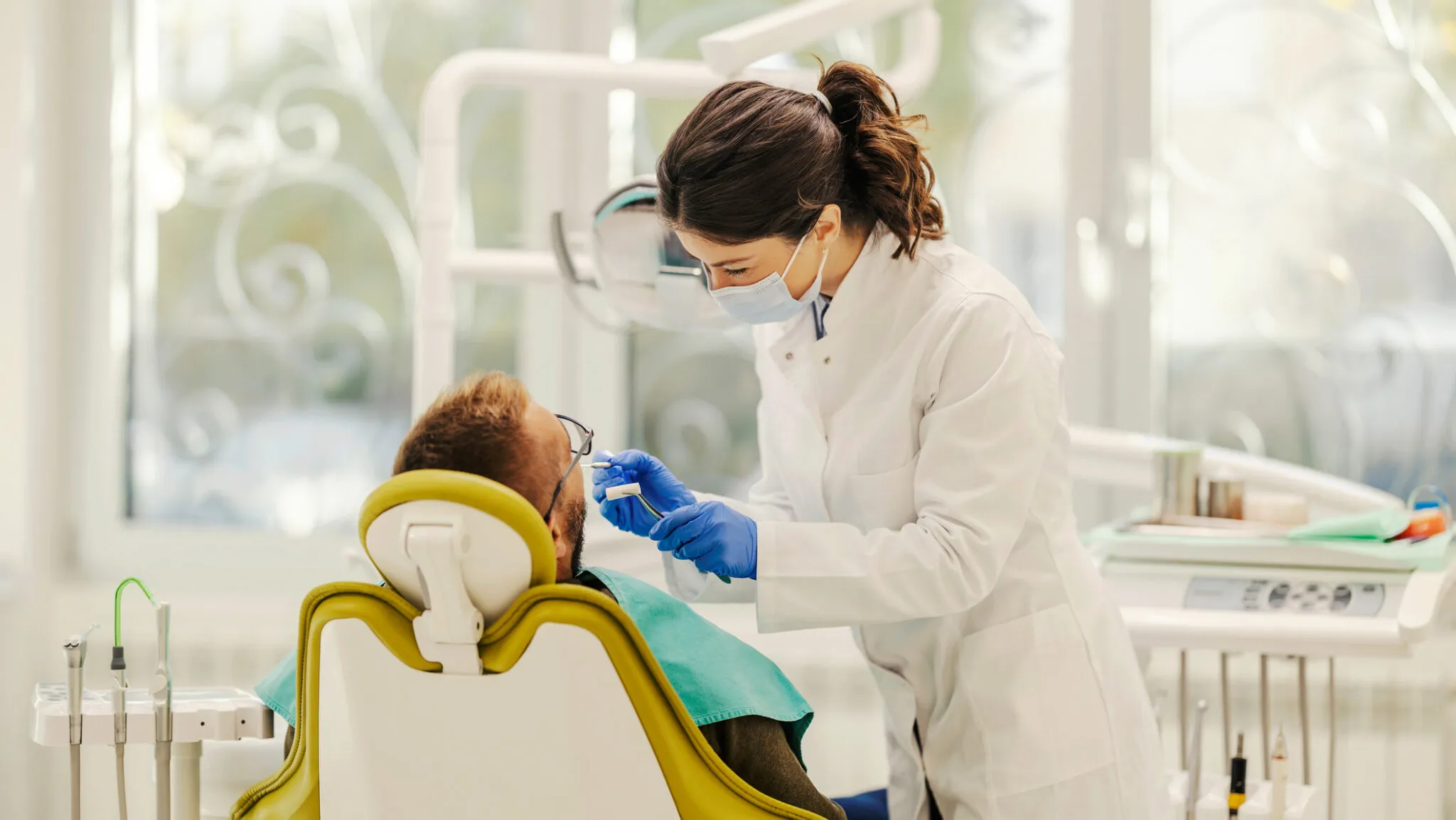
- Regular Dental Check-ups: Routine visits to the dentist can help catch problems early and maintain oral hygiene.
- Good Oral Hygiene Practices: Brushing twice a day, flossing regularly, and using mouthwash can significantly reduce the risk of gum disease and tooth decay.
- Healthy Diet: Consuming a balanced diet rich in vitamins and minerals supports dental health. Foods high in calcium and vitamin D are particularly beneficial.
- Hydration: Staying hydrated helps maintain saliva production, which is vital for oral health.
Implementing these preventive measures can greatly contribute to an improved quality of life and longevity in older adults.
Conclusion
The findings of the recent study underscore a critical connection between tooth loss and increased mortality risk among older adults. By understanding the contributing factors and health risks associated with tooth loss, we can better appreciate the importance of maintaining good oral hygiene throughout our lives. Emphasizing preventive care and addressing the underlying causes of tooth loss can significantly enhance not only oral health but overall well-being as we age.