Understanding the Link Between Oral Hygiene and Diabetes
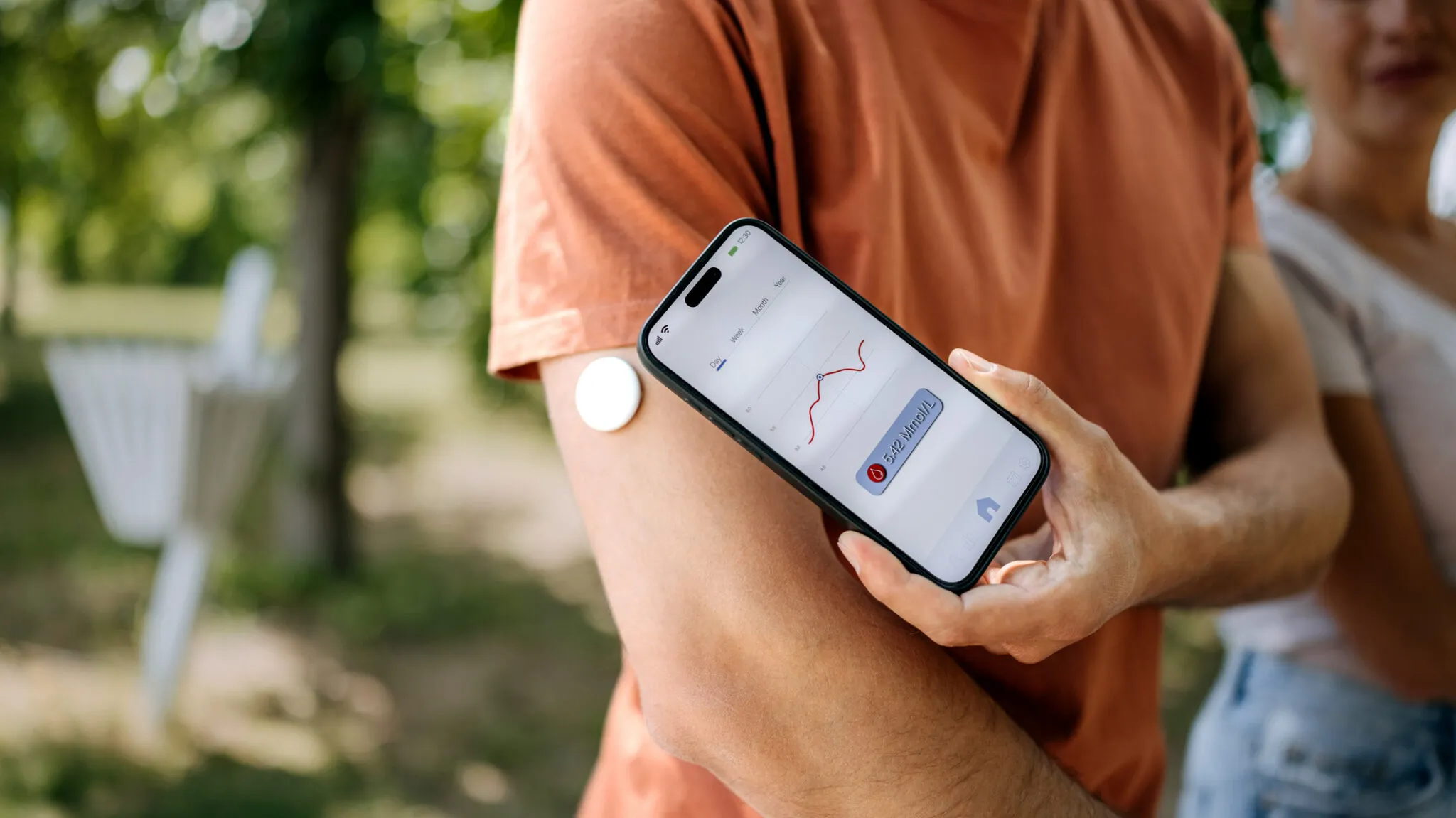
Recent studies have highlighted a significant connection between oral hygiene practices and blood glucose control in adults with type 2 diabetes. Specifically, it has been found that individuals who engage in regular interdental cleaning—at least three times a week—tend to exhibit more stable 24-hour blood glucose levels. This finding underscores the importance of maintaining not just overall health but also oral health as a vital component of diabetes management.
What is Interdental Cleaning?
Interdental cleaning refers to the practice of removing plaque and food particles from the spaces between the teeth. This can be accomplished using various tools, such as dental floss, interdental brushes, or water flossers. These areas are often hard to reach with a standard toothbrush, making interdental cleaning essential for thorough oral hygiene.
- Dental Floss: A thin, flexible string that can effectively remove debris and plaque from between teeth.
- Interdental Brushes: Small brushes designed to fit between teeth, ideal for larger gaps.
- Water Flossers: Devices that use a stream of pulsating water to remove plaque and food particles.
By incorporating these methods into a daily routine, individuals can significantly improve their oral hygiene and potentially influence their blood glucose levels positively.
The Importance of Blood Glucose Control in Type 2 Diabetes
Maintaining stable blood glucose levels is crucial for individuals with type 2 diabetes. Fluctuations in blood sugar can lead to serious health complications, including heart disease, nerve damage, and kidney problems. Therefore, understanding the factors that contribute to blood glucose control is essential for effective diabetes management.
- Long-term health: Consistent blood glucose levels help reduce the risk of complications associated with diabetes.
- Quality of life: Stable blood sugar can lead to improved energy levels and overall well-being.
- Prevention of hypoglycemia: Fluctuating levels can result in dangerously low blood sugar, which can be life-threatening.
Integrating good oral hygiene practices, such as regular interdental cleaning, into a comprehensive diabetes care plan can contribute to better blood glucose management.
Research Findings on Interdental Cleaning and Diabetes
Recent research indicates that adults with type 2 diabetes who practice interdental cleaning regularly experience better blood glucose regulation. The connection may stem from the reduction of inflammation and bacterial load in the mouth, which are both critical factors that can affect systemic health.
- Reduced Inflammation: Regular cleaning helps mitigate gum disease, which is known to cause inflammation that can impact blood glucose levels.
- Improved Oral Health: Better oral hygiene can lead to fewer dental issues, reducing the stress and complications associated with poor oral health.
- Bacterial Control: Managing the oral microbiome can have a profound effect on overall health, including metabolic processes.
These findings suggest that individuals with type 2 diabetes should prioritize their oral hygiene as part of their overall health strategy.
Practical Tips for Effective Interdental Cleaning
For those looking to improve their oral hygiene, here are some practical tips for effective interdental cleaning:
- Choose the Right Tools: Select interdental cleaning tools that suit your dental needs. Consult with a dental professional if unsure which tools are best for you.
- Establish a Routine: Incorporate interdental cleaning into your daily routine, ideally after brushing your teeth.
- Be Gentle: Take care not to damage your gums while cleaning between your teeth—gentleness is key to avoiding injury.
By following these tips, individuals can enhance their oral hygiene practices and potentially improve their blood glucose levels.
Conclusion
The connection between oral health and blood glucose control in type 2 diabetes is becoming increasingly evident. Regular interdental cleaning is a simple yet effective method to enhance oral hygiene, which can lead to improved blood glucose stability. By prioritizing oral care, individuals can take proactive steps toward better health outcomes and a higher quality of life. As research progresses, it will be crucial for healthcare providers to emphasize the importance of oral hygiene in managing diabetes effectively.