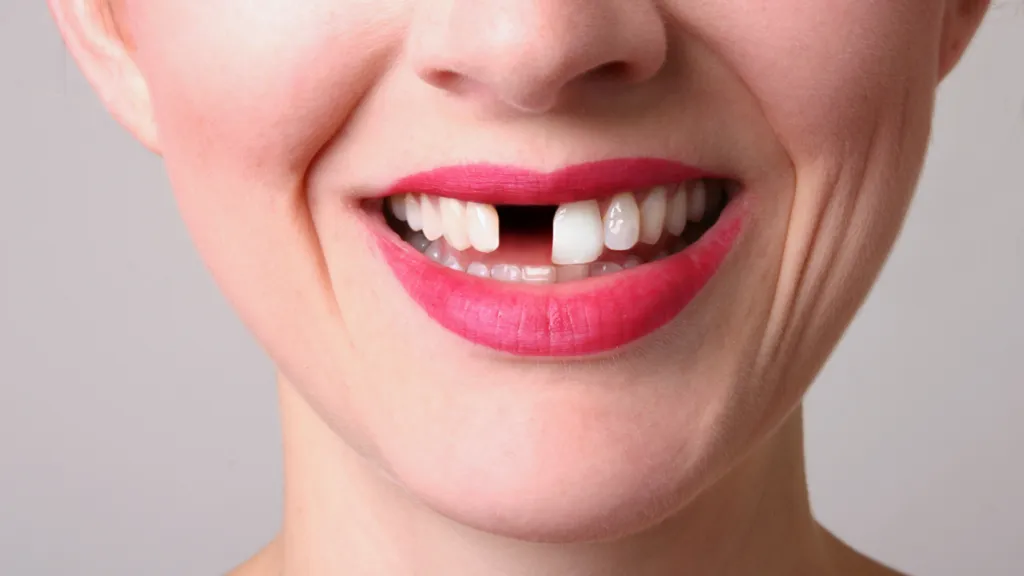
Understanding the Link Between Missing Teeth and Hospitalization
Recent research conducted in Canada has unveiled a concerning correlation between missing teeth and increased hospitalization risks. The study indicates that Canadians who are missing five or more natural teeth face approximately a 76% higher risk of being hospitalized for any reason. This alarming statistic underscores the importance of maintaining good dental health, not only for aesthetics but also for overall well-being.
The Study: Key Findings and Implications
The Canadian study analyzed a substantial sample of participants, focusing on their dental health and subsequent hospitalization rates. One of the most striking outcomes was the 120% increase in hospitalization rates among those with significant tooth loss, compared to individuals with a full set of teeth. These findings suggest a direct relationship between oral health and physical health, shedding light on how neglecting dental care can have far-reaching consequences.
How Oral Health Influences Overall Health
Oral health is often viewed as separate from general health, but this perception is misleading. The mouth serves as a gateway to the body, and issues like periodontal disease can lead to systemic problems. Missing teeth can result in difficulties with nutrition, increased risk of infections, and other health complications. Here are several ways oral health impacts overall health:
- Nutritional Challenges: Missing teeth can hinder proper chewing, leading to a limited diet and nutritional deficiencies.
- Increased Infection Risk: Poor oral hygiene can allow harmful bacteria to enter the bloodstream, potentially causing infections in other parts of the body.
- Chronic Diseases: Research links periodontal disease with conditions such as diabetes and heart disease, highlighting the interconnectedness of oral and systemic health.
Demographics Most Affected by Tooth Loss
The prevalence of missing teeth varies across different demographics, with age and socioeconomic status playing significant roles. Older adults are particularly vulnerable due to the cumulative effects of years of dental neglect, compounded by age-related health issues. Furthermore, individuals from lower socioeconomic backgrounds often experience barriers to accessing dental care, leading to higher rates of tooth loss. Understanding these demographics is crucial for developing targeted public health interventions.
The Importance of Preventive Dental Care
Preventive dental care is essential in mitigating the risks associated with missing teeth. Regular check-ups and cleanings can help identify and address dental issues before they escalate. Here are some preventive measures everyone should consider:
- Regular Dental Visits: Schedule routine check-ups with your dentist to monitor your oral health.
- Good Oral Hygiene Practices: Brush and floss daily to prevent cavities and gum disease.
- Healthy Diet: Maintain a balanced diet rich in vitamins and minerals that promote tooth and gum health.
Addressing the Issue of Missing Teeth
For those already experiencing tooth loss, various options are available to restore oral function and aesthetics. Dental implants, bridges, and dentures are common solutions that can significantly improve quality of life. Consulting with a dental professional can help determine the best course of action tailored to individual needs and circumstances. Restorative procedures not only enhance one’s smile but also play a critical role in improving overall health outcomes.
Conclusion: The Vital Role of Dental Health in Overall Well-Being
The findings from the Canadian study emphasize that missing teeth can lead to serious health repercussions, including higher hospitalization risks. This research highlights the necessity of prioritizing dental health as a fundamental aspect of overall well-being. By understanding the impacts of tooth loss and taking proactive steps towards oral health maintenance, individuals can significantly reduce their risk of associated health issues, leading to a healthier and more fulfilling life.