The Importance of Educational Standards in Dental Hygiene
Educational standards in dental hygiene are essential for ensuring high-quality patient care. These standards not only dictate the level of training and expertise that dental hygienists must achieve but also play a critical role in protecting patient safety. Recently, a gathering of approximately 50 dental hygienists in Washington, D.C., emphasized this point, carrying signs that read, "Educational standards save lives" and "Raise standards, don’t erase them." This rally highlighted the collective commitment of hygienists to uphold rigorous educational requirements within their profession.
Advocacy for Patient Safety
The rally in Washington, D.C., served as a platform for dental hygienists to express their concerns about potential changes to educational standards that could compromise patient safety. By advocating for robust training protocols, these professionals aim to ensure that every patient receives care that meets the highest quality standards. The message was clear: maintaining educational standards is not just about protecting the profession; it's about safeguarding the health and well-being of patients.
Understanding the Role of Dental Hygienists
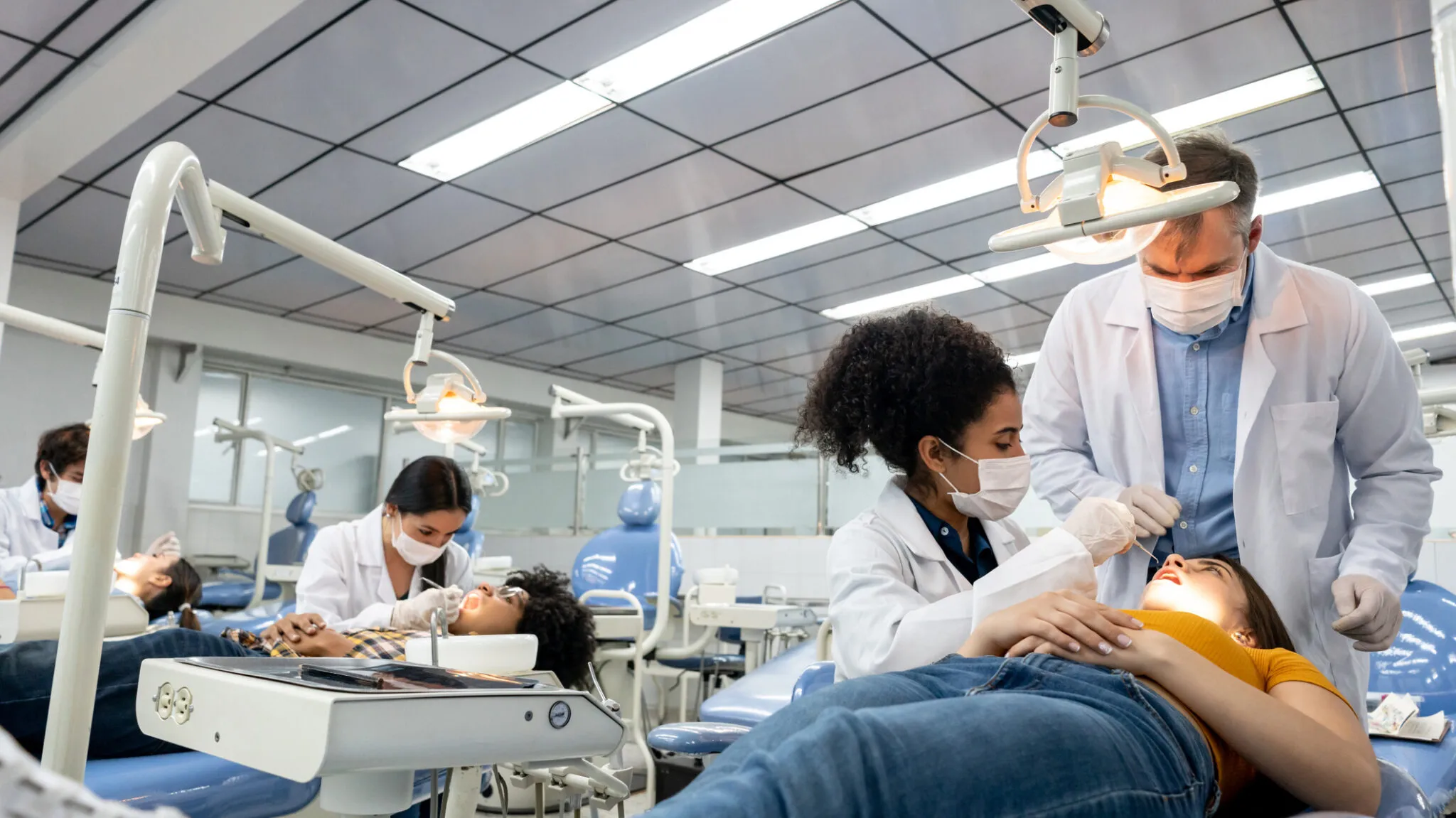
Dental hygienists play a crucial role in the healthcare system, providing preventive care and education to patients. Their training involves extensive coursework in anatomy, physiology, and clinical practice, equipping them with the knowledge necessary to perform critical tasks. This includes conducting oral examinations, applying preventive materials, and educating patients on good oral hygiene practices. A solid educational foundation enables hygienists to recognize potential health issues early, contributing to better overall health outcomes.
Challenges Facing the Profession
Despite the importance of maintaining high educational standards, dental hygienists face numerous challenges. One significant concern is the push for alternative pathways to licensure that may bypass traditional educational requirements. While these alternative routes may seem appealing, they can lead to gaps in knowledge and skills, ultimately affecting patient care. The rally in Washington was a proactive response against these changes, advocating for a system that prioritizes comprehensive training over convenience.
The Impact of Educational Standards on Care Quality
The correlation between educational standards and the quality of care is well-documented. Research shows that higher educational qualifications among dental hygienists lead to improved patient outcomes. For instance, hygienists with advanced training are better equipped to identify and manage complex dental issues, leading to a decrease in complications and improved patient satisfaction. This relationship underscores the necessity of maintaining stringent educational requirements within the profession.
Community Support and Engagement
The rally not only showcased the determination of dental hygienists but also highlighted the support from the broader community, including patients and other healthcare professionals. The presence of advocates from various backgrounds demonstrated a unified front in the fight for educational standards. Engaging with the community is crucial, as it fosters awareness about the importance of dental hygiene education and its direct impact on public health.
Future Directions for Dental Hygiene Education
Looking ahead, the dental hygiene profession must continue to evolve while maintaining its commitment to educational excellence. This includes ongoing discussions about curriculum updates, incorporating new technologies, and addressing emerging health issues. By prioritizing educational standards, the profession can ensure that future hygienists are well-prepared to meet the challenges of an ever-changing healthcare landscape.
Conclusion
The recent rally in Washington, D.C., served as a vital reminder of the importance of educational standards in the field of dental hygiene. As dental hygienists advocate for their profession, they stress that maintaining rigorous training protocols is crucial for ensuring patient safety and delivering high-quality care. By standing united, they reinforce the message that educational standards save lives, paving the way for a future where both patients and professionals can thrive.