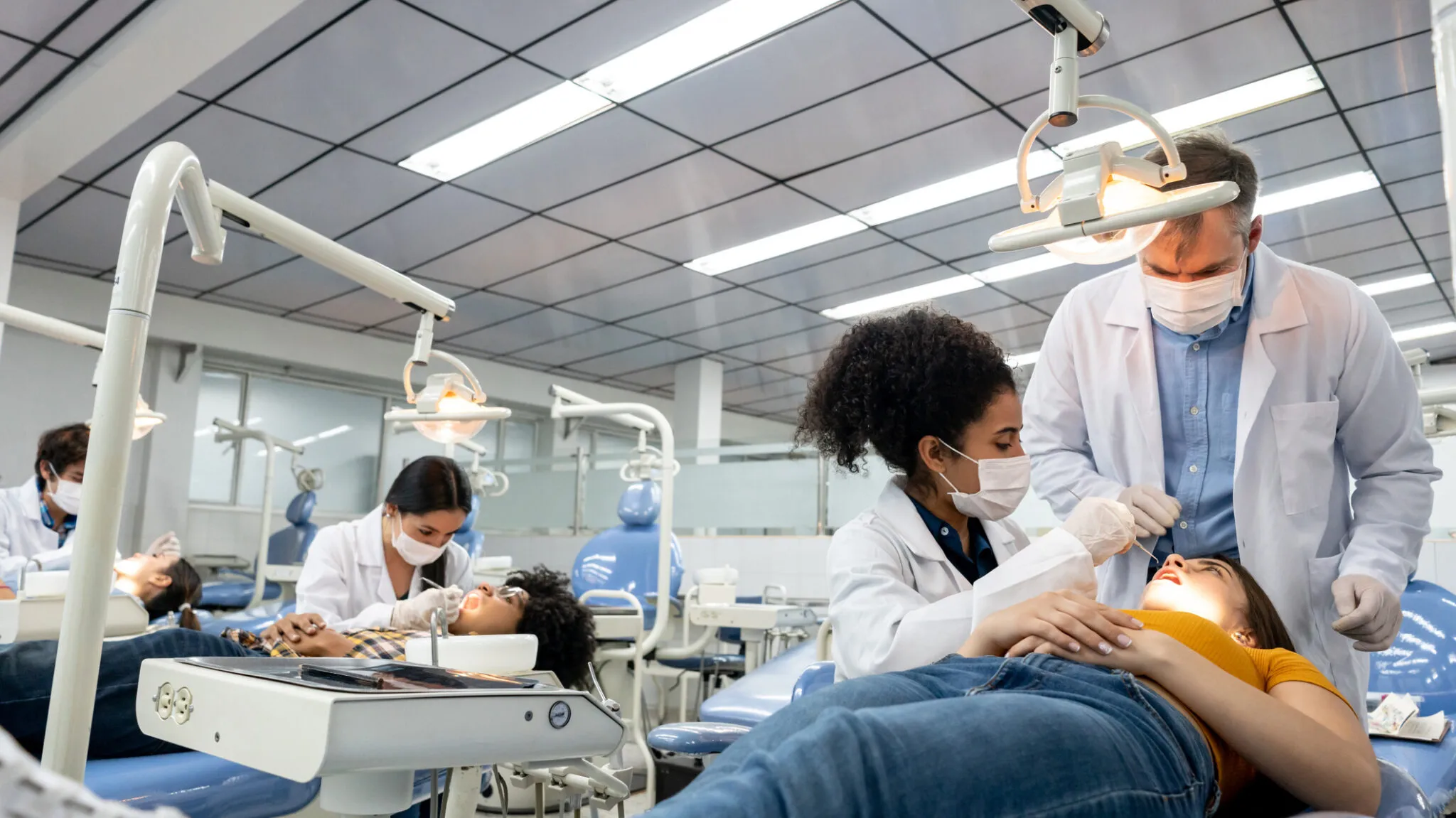
Introduction to the U.N. Decision on Dental Amalgam
The recent decision by a United Nations environmental organization to phase out the use of mercury, specifically targeting dental amalgam, by 2034 reflects a growing global concern over mercury pollution. Dental amalgam, a common material used for fillings, contains a significant amount of mercury, which poses potential health risks and environmental hazards. This article explores the implications of this decision, the reasons behind it, and what it means for dental practices and patients around the world.
Understanding Dental Amalgam and Its Risks
Dental amalgam is a durable material often used in restorative dentistry to fill cavities. Made from a mixture of metals including silver, tin, copper, and mercury, it has been widely utilized for decades due to its strength and longevity. However, the inclusion of mercury raises serious health and environmental concerns.
- Health Concerns: Mercury is a neurotoxin that can have detrimental effects on human health, particularly in vulnerable populations such as pregnant women and young children. Prolonged exposure to mercury can lead to neurological issues and developmental problems.
- Environmental Impact: When dental amalgam is improperly disposed of, mercury can leach into the environment, contaminating soil and water sources. This can have far-reaching effects on wildlife and ecosystems.
As awareness of these risks has grown, the push to find safer alternatives to dental amalgam has intensified.
Global Initiatives Against Mercury Pollution
The U.N.'s decision is part of a broader initiative to reduce mercury pollution worldwide. The Minamata Convention on Mercury, which was adopted in 2013, aims to protect human health and the environment from anthropogenic emissions and releases of mercury and mercury compounds.
- Global Commitment: Over 130 countries are signatories to this convention, demonstrating a collective commitment to reduce mercury usage and emissions.
- Phasing Out Mercury: The convention outlines specific measures for the phasedown of mercury use in various sectors, including dentistry. This reflects a widespread recognition of the need to transition to safer materials.
The U.N. body’s decision to phase out dental amalgam by 2034 aligns with these global efforts, marking a significant step towards enhancing public health and environmental safety.
Implications for Dental Practices
The phase-out of dental amalgam will have significant implications for dental practitioners. Dentists will need to adapt their practices to comply with new regulations, which may include the following:
- Adopting Alternative Materials: Dentists will increasingly rely on alternative materials such as composite resins and glass ionomer cements, which do not contain mercury. These materials are not only safer but also offer aesthetic advantages.
- Training and Education: Dental professionals will require additional training to effectively use these alternative materials and understand their properties and benefits. This may involve updates to dental education programs and ongoing professional development.
Transitioning to these alternatives will not only help meet regulatory requirements but also promote a safer practice for both dentists and patients.
Conclusion: A Step Towards a Safer Future
The U.N. decision to phase out dental amalgam by 2034 is a crucial step in the fight against mercury pollution. By prioritizing public health and environmental safety, this initiative encourages dental professionals worldwide to embrace safer alternatives. As we move forward, it is essential for the dental community to adapt to these changes, ensuring that patient care remains effective while also protecting our planet. This decision reflects a growing awareness of the interconnectedness of health and environmental issues, paving the way for a safer and more sustainable future.