Introduction to Free Dental Care at the University of Manitoba
The University of Manitoba's dental school has announced an exciting initiative that aims to provide free dental care for patients enrolled in the Clinical Dental Care Program (CDCP) and those who are uninsured. This program is made possible through a generous grant of $336,000 from Health Canada, demonstrating a commitment to improving access to essential dental services for marginalized communities.
Understanding the Impact of the Grant
The funding from Health Canada will play a pivotal role in ensuring that individuals who lack dental insurance can receive the necessary treatments. Many people avoid seeking dental care due to financial constraints, which can lead to more severe health issues down the line. By offering free services, the University of Manitoba aims to alleviate these barriers and promote better oral health among the population.
Details of the Dental Care Program
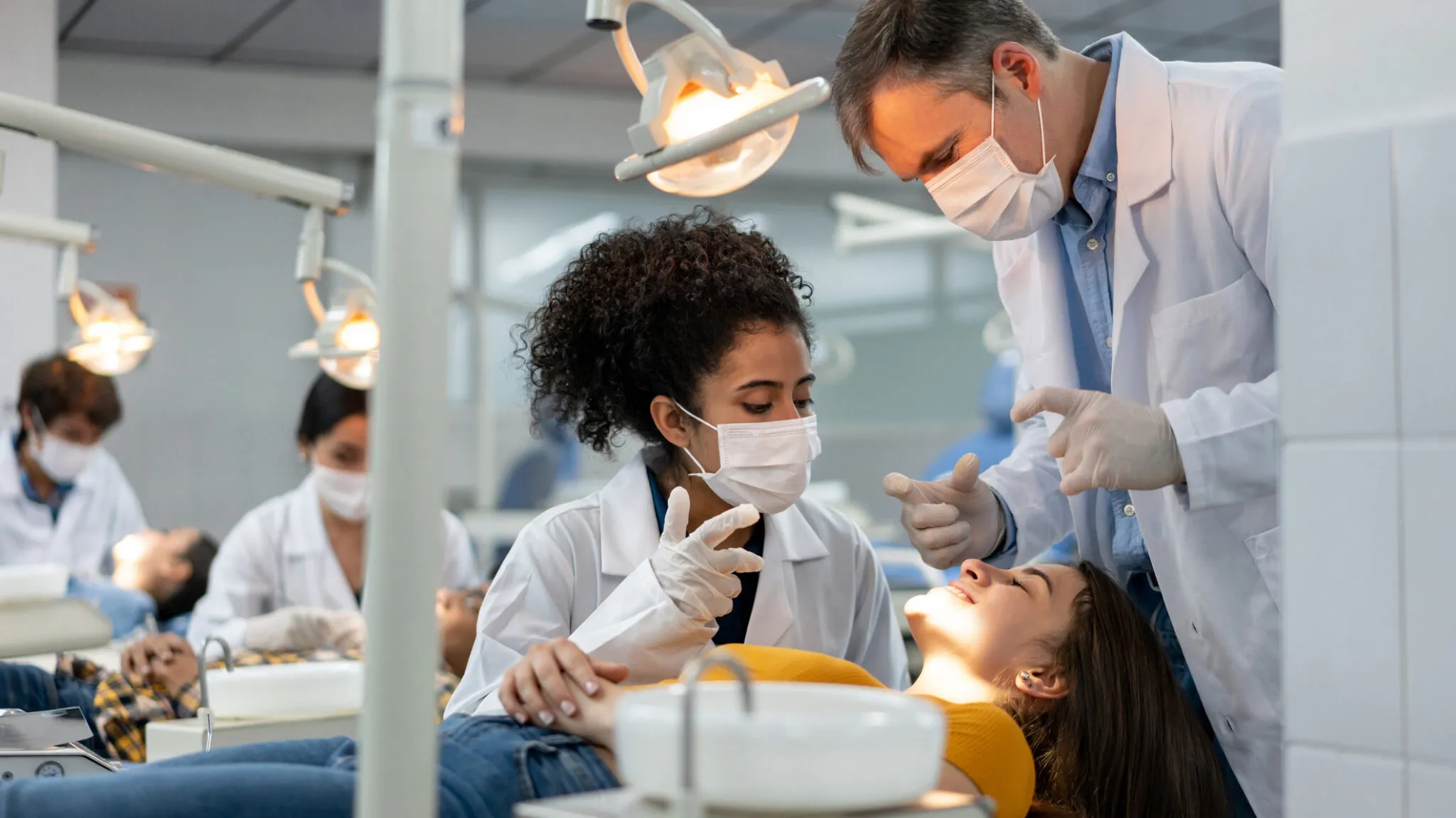
The dental care program at the University of Manitoba encompasses a range of services designed to meet the needs of patients. These services include routine check-ups, cleanings, fillings, and emergency care, all provided by supervised dental students. This hands-on training for students not only enhances their educational experience but also ensures that patients receive high-quality care.
- Routine Check-ups: Regular dental examinations are crucial for maintaining oral health. The program offers comprehensive check-ups to detect any potential issues early.
- Cleanings: Professional cleanings help remove plaque and tartar buildup, reducing the risk of cavities and gum disease.
- Fillings: For patients with cavities, the program provides fillings to restore tooth function and prevent further decay.
- Emergency Care: Immediate attention is available for dental emergencies, ensuring that urgent needs are addressed promptly.
Who is Eligible for Free Dental Care?
The eligibility criteria for the free dental care program are primarily focused on individuals enrolled in the Clinical Dental Care Program and those who do not have dental insurance. This initiative targets those who are often overlooked in the healthcare system, aiming to provide them with the necessary support to maintain their oral health. Enrollment in the program is typically straightforward, requiring proof of eligibility, such as identification or documentation of uninsured status.
The Importance of Accessible Dental Care
Accessible dental care is vital for maintaining overall health. Poor oral health can have significant implications, including an increased risk of systemic diseases, such as diabetes and heart disease. By providing free dental services, the University of Manitoba is not only addressing immediate dental issues but also contributing to the long-term health and well-being of the community. This initiative reflects a broader understanding of the relationship between oral health and general health, emphasizing the need for comprehensive care.
Community Response and Support
The response from the community regarding this initiative has been overwhelmingly positive. Many individuals have expressed gratitude for the opportunity to receive dental care without the burden of financial stress. Local health advocates and organizations have praised the University of Manitoba for its commitment to public health and community service. This program not only meets a critical need but also fosters a sense of trust and collaboration between the university and the local population.
Conclusion: A Step Towards Better Oral Health
The University of Manitoba's decision to offer free dental care for CDCP and uninsured patients marks a significant step towards improving oral health accessibility. With the support of Health Canada, this initiative has the potential to transform lives by ensuring that essential dental services are available to all, regardless of their financial situation. As the program unfolds, it will be crucial to monitor its impact on the community and continue advocating for accessible healthcare options for everyone.